


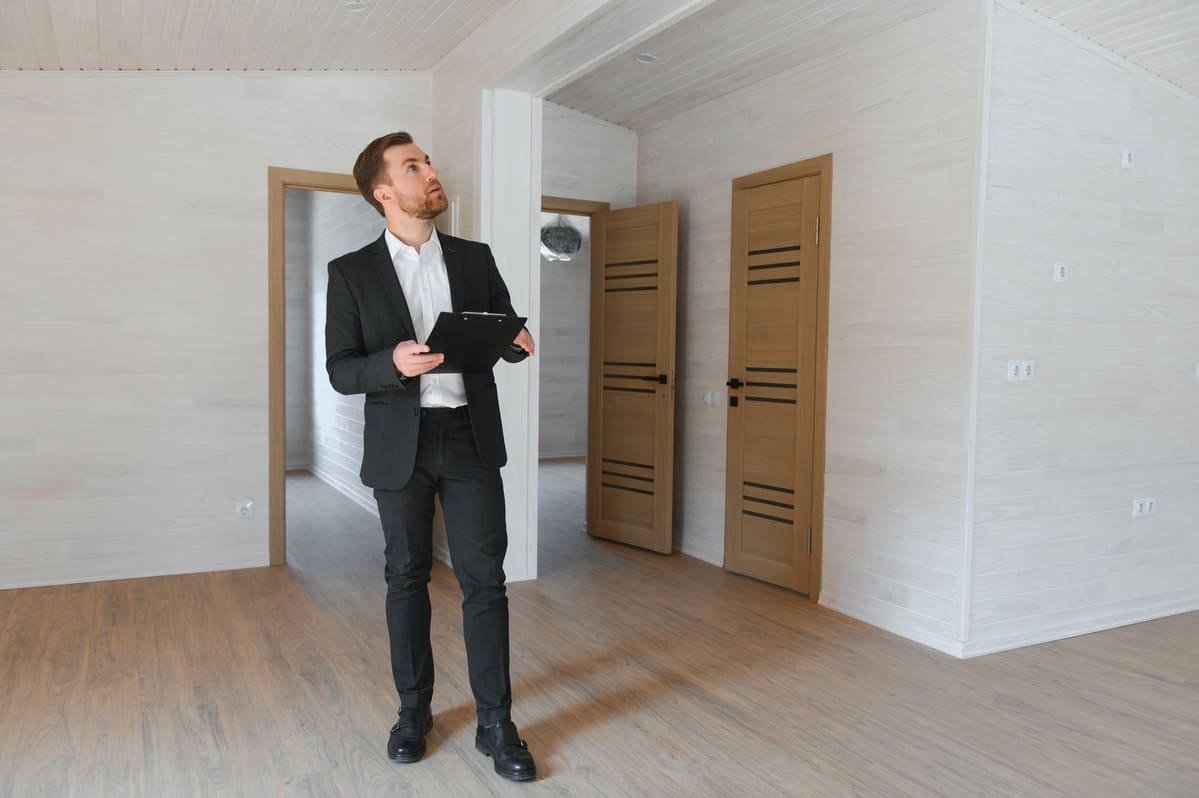
Rental inspection frequency is one of those topics that many investors think about, but do not always plan for. In Florida markets like Jacksonville, Ocala, and Southwest Florida, inspections play an even bigger role due to climate, weather exposure, and year-round rental demand. You want to protect your investment, stay ahead of maintenance issues, and still respect tenant privacy.
Routine inspections are not about looking for problems or disrupting residents. They are a practical way to keep your rental performing well over time.
This guide explains how often you should inspect your rental property, why it matters, and how to build a rental checkup schedule that works for both you and your tenants.
Why Rental Inspections Matter for Long-Term Investors
Regular inspections support the long-term health of your rental property. They help you stay proactive instead of reactive and give you clearer visibility into how your asset is performing. This is particularly important for Florida rentals, where humidity, storms, and heavy seasonal use can impact homes faster than in other regions.
Inspections play an important role in protecting both the property and the investor. When done correctly, they also help maintain a positive tenant relationship.
Before getting into timing, it helps to understand what inspections actually help you accomplish:
- Identify small maintenance concerns before they turn into expensive repairs
- Protect property value and extend the life of major systems
- Confirm lease compliance without unnecessary tenant friction
- Support safer and more consistent rental income
- Create documentation that can be helpful for insurance or legal needs
When inspections are planned and communicated clearly, they become a normal part of responsible ownership rather than a point of tension.
Recommended Rental Inspection Frequency
There is no single inspection schedule that fits every rental. Property age, tenant history, and local regulations all play a role. Florida investors also need to consider factors like coastal exposure, hurricane season, and rapid weather changes when setting inspection frequency.
Understanding the purpose of each inspection type helps you decide how often access is truly needed.
Move-In Inspections
A move-in inspection establishes the baseline condition of the property before a tenant takes possession. This inspection should be detailed and documented with photos.
It sets clear expectations and helps avoid disputes later. Move-in inspections are essential and should happen every time a new tenant begins a lease.
Routine Inspections
Routine inspections are typically conducted every three to six months. These are not deep inspections of every system, but general checkups of property condition.
They focus on things like visible maintenance issues, safety concerns, and lease compliance. The right rental inspection frequency for routine inspections depends on tenant history and property type, as well as environmental factors common in Florida homes, such as moisture buildup, HVAC performance, and exterior wear.
Annual Inspections
Annual inspections are more comprehensive. Many investors align them with lease renewals since access is already expected during that time.
This inspection looks at overall wear and tear, major systems, and longer-term maintenance planning. For Florida properties, annual inspections are often used to prepare for hurricane season or evaluate systems after periods of heavy summer use.
Exterior or Drive-By Inspections
Exterior inspections do not require entry into the home. They involve visual checks of roofing, siding, landscaping, and general curb appeal.
These inspections can happen more frequently and help catch issues early without disturbing tenants. In areas like Northeast Florida and Southwest Florida, regular exterior checks are especially useful after storms or severe weather events.
Factors That Influence Inspection Timing
Every rental checkup schedule should account for a few key variables.
- Property age and overall condition
- Tenant screening quality and rental history
- Local laws and required notice periods
- Florida-specific risks such as humidity, storms, and coastal exposure
Newer properties or long-term tenants may need fewer interior inspections, while older homes may benefit from more frequent checkups.
Creating a Smart Rental Checkup Schedule Without Overstepping
Inspections should protect your investment, not strain tenant relationships. The way inspections are handled often matters more than how often they happen.
A smart approach focuses on consistency, communication, and compliance.
- Follow Local Laws and Notice Requirements: Florida Statute 83.53 requires landlords to provide at least 12 hours’ notice before entering a rental and to enter only at reasonable times. Entry without notice is allowed only in emergencies, such as active leaks or safety risks.
- Set Clear Expectations in the Lease: Inspection expectations should be clearly outlined in the lease agreement. This includes how often inspections occur and how notice will be provided.
- Focus on Condition, Not Lifestyle: Inspections are meant to observe property condition. They should not be used to comment on personal habits or day-to-day living choices.
- Stay Consistent and Document Everything: Consistency matters across your portfolio. Using the same process and documentation standards protects you if issues arise later.
- Consider Professional Property Management: Managing routine inspections across multiple properties can be time-consuming. Professional Florida property management teams understand regional risks and handle inspections in compliance with state and local regulations.
Protect Your Property With the Right Inspection Schedule
Rental inspection frequency plays a key role in protecting your investment while supporting a healthy tenant relationship. A clear rental checkup schedule helps you stay organized, compliant, and proactive. It also signals to tenants that the property is professionally managed and well cared for.
Suncoast Property Management helps investors across Northeast Florida, Central Florida, and Southwest Florida create and manage inspection schedules that protect rental assets without overstepping. From routine inspections to full portfolio oversight, our team handles the details so you do not have to.
Download our Seasonal Maintenance Checklist to stay organized, protect your investment, and plan inspections with confidence year-round.

Latest Posts


Subscribe to Our Blog
Subscribe to receive the latest news and tips about property management.